
Information Publishers: Heed This Advice or Die!
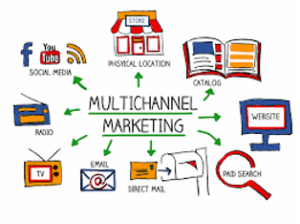
I once co-authored a book about multi-channel marketing, even though, at the time, I didn’t completely believe in it. I did it because I was asked to by a colleague who was into the idea, and so I thought, “What’s the harm?”
Back then, our industry – the digital information industry – was in the middle of 10 years of explosive growth. Our own businesses were growing like crazy and doing so by focusing more than 80% of our marketing resources on just one channel – placing short ads on various social media platforms and subscribing potential buyers into our various digital daily newsletters. We were doing so well using just one marketing channel that I thought: “Why waste time experimenting with other approaches?”
I think I was right then, which is corroborated by the fact that we are still, almost 25 years later, doing 90% of our business on the same channel and we are still delivering almost all of our content via the medium we’ve always used: text.
And I think I’m right now, because I am following what other online publishers are doing and I can see a trend that looks like the future: multi-channel and multi-media marketing and publishing.
Our audience, as old as many of them may be, are becoming more and more accustomed to getting their news and their opinions from social media – which means visually. And I’ve been noticing that some of the information publishers – the ones with the largest file sizes – are expanding their reach by testing other marketing channels, such as video sales letters, and audio-based news services, and free memberships in various single-focused communities.
It’s not just one or two. It’s a portion of the market that is growing fast. These advertisers are enjoying response rates that are equal to or better than what we were getting through our one channel during its heyday.
One of the reasons for this change must be the growing sophistication of the technology required to translate one market channel into others. I know marketers that are producing successful campaigns in two or three channels simultaneously by creating the advertising copy in Word format and then having it translated into video, audio, and even live programming.
That explains why the trend is happening so quickly. But what’s even more important is to realize that the technology alone isn’t enough to stir up this amount of change. It must be due to a generally expanding use of media, which has brought in millions of new prospects and buyers through new and sometimes even unconventional channels.
I’ve been trying to persuade my larger clients (who could easily be doing so) to begin putting out their successful marketing on as many channels as possible. So far, no one is listening. I want to remind them that every one of those information publishers who ignored our success when we were growing so quickly at the beginning of the century are now out of business.
