More Studies Show that COVID Vaccines Can Infect and Affect DNA

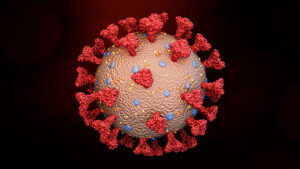
Artist’s depiction of a virus particle covered with spike proteins 

If you’ve done any reading about COVID-19 and the vaccines created to combat it, you’ve heard about “spike proteins,” which the body uses to fight the virus.

The CDC has taken the position that the spike proteins from the vaccines (which are synthetic) do not enter our DNA and are eliminated from the body soon after they produce an immune response. (This is what happens to the spike proteins that are created naturally, from the virus itself.) But new studies have found spike proteins in vaccinated individuals as long as three to even six months after vaccination.

Click here.


Bad Medicine: Prescribing Drugs That Don’t Work

GM wrote to remind me/us that approving Big Pharma drugs that don’t work is not a new phenomenon. He provides two examples. Click here and here.

Blood Pressure Drugs: Are They Any Better (or Safer) Than Statins?

For the last 10 years, PB, one of my trainers, has been taking my blood pressure at least three times every time I train. Two or three times a week. In all that time, my systolic numbers ranged from 110 to 120, while my diastolic numbers ranged from 70 to 80. That’s healthy for someone my age.

About a month ago, though, my blood pressure was 190/110. Which is considered “dangerous.” We continued with the training, but at a moderate pace, and he took several more measurements. They varied somewhat but were all too high. Over the next few days, they varied from normal to scary high.

I called my primary care physician. He told me that high blood pressure at my age is common. And he wrote me a prescription.

That sort of knee-jerk resort to prescribing a drug worried me. I did some research and discovered that blood pressure medication is effective in controlling symptoms (i.e., the numbers). But, like the statins prescribed for high cholesterol, has not been effective in extending life.

When I mentioned that fact to my doctor at my next appointment, he didn’t dispute it. “But it will reduce your chance of getting a debilitating stroke,” he said.

“Fair enough,” I thought. But in researching that claim, I couldn’t find any studies that persuaded me it was true.

I was in a dilemma. My rational brain was telling me that neither the cholesterol drug I was taking nor the blood pressure drug was going to do me any good. But it also reminded me that the research I’d done was limited, as was my experience. Which made it impossible to consult with my limbic brain to see if it could guide me in this matter.

So, I decided to take a halfway measure. Literally. Currently, I’m taking the statin and the blood pressure drug. But at half the doses recommended by my doctor. (Don’t bother writing to tell me what’s wrong with this as a “solution.” I know that. But if you have a better one, backed up with believable data, let me know.)

Meanwhile, I discovered that the dramatic and quick onset of high blood pressure, such as what I experienced, can be a side effect of taking – as I am doing – a combination of blood thinners, statins, and anti-depressants. And if that’s true… what to do?

I’m reporting on this not to subject you, dear reader, to a never-ending account of my health issues, but to throw some light on protocols and practices of modern medicine that are widely accepted but, in fact, have little if any science behind them. In all the research I’ve been doing, I haven’t found reliable solutions to any of the most common modern illnesses (cancer, heart disease, diabetes, and obesity). But I have discovered that many of the recommended, state-of-the-art treatments are defective.

Speaking of which, BM, a regular reader of this blog, has been sending me links to relevant material, the most recent of which I’m passing on to you here.

New Pfizer-funded Study: The Three-Shot COVID Vaccine Regimen Is Useless (and Dangerous?) in Children Under Five

There has been an argument for vaccinating older and “immunocompromised” people against COVID. At least there was when a handful of early studies concluded that it prevented infection and spreading. But there was never any evidence that it was helpful for children. With that age cohort, in fact, the lethality rate, as reported by the WHO and the CDC, was equal to or less than the lethality rate of the flu.

Recent studies have confirmed that the vaccines weren’t necessary for children – especially those under five. That didn’t surprise me. But what I didn’t expect when I began covering our government’s response to the COVID pandemic three years ago was the mounting evidence that the vaccines have produced negative, sometimes seriously negative, side effects in children.

And what is the CDC doing about this? It’s telling parents to bring their kids in for some extra jabs!

Click here.


In the Same Vein: Why Nobody Should Wear a Face Mask

First, we found that the vaccines don’t work. Now we are learning that they have negative, even dangerous, side effects. (See above.)

The same story is unfolding with masks. First, we were told that they are effective. Then we discovered that they are not. And now we are seeing reports that wearing them for extended periods of time is harmful to our health.

Click here.

Another Reason to Check Your Vitamin D Levels

Vitamin D, long recognized as the vitamin one took to strengthen and maintain strong bones, has, in the past several decades, been shown to be important in strengthening the body’s immune system against a host of other health problems, including cancer, dementia, multiple sclerosis, psoriasis, and rickets.

During the height of the COVID pandemic, a study was done in New Zealand that compared the severity and lethality of COVID-19 among patients based on their levels of Vitamin D. The results were dramatic.

Take a look at the chart below. The box to the left demonstrates the survival and death rates of patients with normal Vitamin D levels (orange) with patients whose levels were insufficient (green and purple).

Mask-Wearing No Longer a Controversial Issue 

Health officials have acknowledged that there is inadequate evidence to support the notion that medical-grade face masks, including N95, KN95, and FFP2 types, provide protection for vulnerable individuals against COVID-19. The UK Health Security Agency (UKHSA) published a rapid review report investigating whether masks protect those at high risk from the disease but was unable to find any scientific research with “usable data.” The reviewers examined 4,371 studies but found none that explored the effectiveness of N95 and equivalent masks for those at a higher risk of severe illness when used within community settings.

One More Reason to Lose Weight

I told you about my knee-replacement surgery six weeks ago. I’m about 70% back to where I need to be in terms of strength and flexibility, and I’m feeling confident that I’ll get the joint back to 100% in the next month or two.

The first two weeks were very painful. The next week was somewhat better. Since then, what pain there is, is manageable.

During those first three weeks, I experienced something I’ve heard about a hundred times but never understood: cold sweats. This is when you wake up at night shivering in a puddle of perspiration. It’s an odd experience, but it had a benefit. I lost 18 pounds and I’m back to fitting in my “skinny” pants.

We’ve all heard that losing weight is helpful in lessening joint pain. As this clip explains, one of the advantages of losing weight after a knee operation is that for every pound you lose, you reduce the strain on your knees by four pounds. (And the stress on your hips by six.)


Briefly Noted 

* The science behind sound therapy. Click here.

* Birds: A secret weapon in your fight against anxiety. Click here.

* The Booze Effect: What happens when you stop at one glass of wine a day? Click here.

Second Sleep? What’s That?

I was surprised to learn this: For most of man’s time on earth, sleep happened in two shifts. The current “normal” of one seven- or eight-hour sleep was something that developed during the Industrial Revolution.

That’s the conclusion of this very interesting short history of the research that led to this discovery. Click here.

Coffee? Tea? Why Not?

A friend of mine told me that he was eliminating coffee from his diet for “health reasons.” I told him that the coffee=bad myth was debunked decades ago. In fact, a 2017 umbrella review of 201 meta-analyses by The National Library of Medicine concluded that “Coffee consumption was more often associated with benefit than harm for a range of health outcomes across exposures including high vs. low, any vs. none, and one extra cup a day.”

What about having more than just a few cups a day? Arnold Schwarzenegger answered that question last week in his blog:

“If you have more than a few servings of coffee, research suggests that it does not cause heart problems. The researchers found that while coffee can cause fluctuations in your heart rate, it’s not the dangerous type.” Click here.

And…

“If you tolerate [coffee] well, drinking a few servings appears to have many benefits. Other studies appear to show that drinking three cups or more is also associated with cancer protection.” Click here.

Insights on Chronic Disease 

Click here for an interesting conversation between Peter Attia and Rhonda Patrick, PhD, a scientist with expertise in the areas of aging, cancer, and nutrition, and host of the popular podcast Found My Fitness.

The Statin Diaries: Can High Levels of Cholesterol Be Healthy?

I told you on Dec. 30 that ever since I began taking the statin drug recommended by my VIP doc, I’ve been needing more sleep, taking more naps, and feeling brain-fogged. I couldn’t say for sure that my fatigue was a response to the statin, but when I did some initial research, I discovered that fatigue and brain fog are responses reported by about 60% of those that use these drugs.

Since then, I’ve learned other things. One fact that especially bothered me is that, although statins definitely lower total cholesterol counts (primarily by bringing down high-density lipoproteins – the bad kind), they don’t have any positive effect on lifespan. Take them or don’t take them, your life expectancy is the same.

That didn’t sound right, and so I continued to look for articles and studies that contradicted this conclusion. But I could find none. I brought the question to a few of my doctor friends that prescribe statins. Only one, my cardiologist, had an answer that made some kind of sense. He said that yes, statins won’t extend your lifespan, but they have been proven to lower the risk of stroke and heart attacks.

I thought that was interesting. It suggests that even though statins won’t help you live longer, at least they will reduce the chances that you’ll be spending your remaining time on earth partially paralyzed and/or unable to speak.

This conversation with my cardiologist happened a week ago, so I haven’t had a chance to verify his stance. I’m looking into it now and will report my findings to you when I feel like I have some reasonable level of confidence in answering the life-expectancy question.

One thing I’m looking at now is a conversation between a doctor and a scientist who specializes in cardiovascular disease. They cover a broad range of topics related to statins and cardiovascular health, including some startling facts that challenge the conventional wisdom about cholesterol levels. High levels of overall cholesterol, they seemed to agree, is not necessarily an unhealthy thing.

In fact, for people in their seventies (like me), high cholesterol levels can be a considerable plus. You’ll see that in the attached video when, about half through, the scientist shows a graph of how statins affect mortality over various ages. And it turns out that people in their seventies with high cholesterol (and particularly high HDL) outlive people of the same age whose cholesterol counts are in the recommended range.

Imagine if that is true!

It will mean my chances of living longer will improve if I stop taking this drug that is tiring me out. I’m not drawing any conclusions right now. I’ll keep doing my research and will ask a few of my doctor friends what they think. But the results of this macro-study are giving me hope.

Check it out here.

If You Don’t Have Time to Exercise, Read This

I’ve been making the argument that high-intensity workouts are the secret to gaining substantial health and wellness benefits. And according to new studies, they are also the secret to healthy aging and even longevity itself. Click here for an article in National Geographic about one of those studies. The takeaway: Just five minutes a day can have a big impact.