
* Concerns about cyber- and digital-security will grow due to increased threats and attacks. Deepfakes in local advertising, fake business news in major media outlets, major thefts of customer accounts and information, AI-generated false claims and fake dates being reported to government regulatory agents will result, towards the end of the year, in a major loss of confidence in financial reporting by both government and corporate accounting.

* A digital trust crisis will emerge, and digital gurus will become more highly valued. Concerns about deepfakes, fraud, and synthetic data will escalate throughout 2026, culminating in a loss of confidence in digital reporting. This is already happening as AI is making all forms of digital deception cheaper and more scalable. Detection and verification technology will become more important than ever, but the technology for detection and verification will become more costly. And since it will always lag behind digital deception, public confidence in it will diminish. The ultimate result will be that consumers of information will no longer look for digital security and protection, but will turn instead to digital influencers they trust. That will give rise to a huge increase in both the number of digital gurus and the dollar impact that they have on not just commerce, but on politics and culture.

* The EU will mandate universal digital IDs and introduce a new digital euro. Both will be sold as instruments to drastically reduce crime, drastically increase financial security, and make all aspects of life – from traveling to buying groceries – easier. Libertarians will object, but the public at large will embrace them. Within months of implementation, crime will be drastically reduced, but so will personal liberty and privacy. Eventually, this will lead to a hyper-Orwellian state of living where the government will have complete knowledge of everything its citizens do and the complete ability to control their behavior by government-controlled digital monitoring, policing, and confiscation and taxation systems.
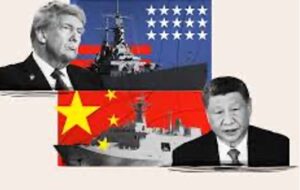
* Beijing and its geopolitical allies will continue to test the supremacy of the US dollar – and with some success, as Beijing rolls out a gold-linked offshore yuan for redenomination of its trade. By the end of the year, the dollar will still be a major reserve currency, but not the only one.

* NATO will continue to lose its influence – and by the end of the year will face replacement by another defense treaty whose members are exclusively European.
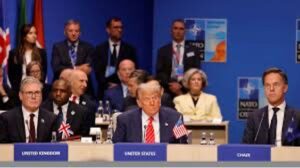
* The US and other American countries, including Canada, Central America, and most of South America will begin talks for a new defense treaty for them and them only.
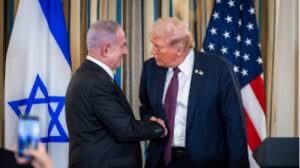
* Tensions between stasis and change in the Middle East will increase. By the end of the year, the Trump administration will have secured a new peace agreement.

* Defense technology will change how wars are fought. Military investment in technology will surge, both by governments and in the private sector. The speed of innovation will increase, with the timeline from battlefield to civilian application compressed, and it will fundamentally reshape infrastructure, emergency response, and healthcare worldwide.
And, finally…