Why I Don’t Trust Statins  And Why You Shouldn’t Either 

For years, I’ve been writing about how uneasy I feel about my doctor’s recommendation that I take statin drugs. As you probably know, I’ve been in the alternative health publishing business since the early 1980s, so I’m very much aware of how unpopular statins are with doctors and scientists who are, like me, suspicious of many of the established protocols favored by mainstream medicine. And the doubts we have are not based on some vague preference for “natural” remedies, but on hundreds and hundreds of published scientific studies that refute or cast doubt on many of the “facts” that mainstream medicine holds to be true.

Statins are promoted to the public as drugs that prevent heart disease and extend life. Most patients come away believing that if they take a statin, lower their cholesterol, and follow instructions, they will live longer.

That promise dissolves when you look carefully at the data. Statins reliably improve bloodwork numbers, especially LDL cholesterol. They do what they are designed to do in that narrow sense. What they do not reliably do for people using them for primary prevention is extend life in any meaningful way. In many large trials, the average life extension amounts to days, sometimes a few weeks, and rarely more.

Did you get that? Those are the facts. (I checked with Nigel, and he is predisposed to mainstream medicine!) Isn’t it insane?

So, you must be thinking, “If that’s so, then why did my doctor write me a prescription for statins? And why do thousands of doctors write prescriptions for millions of Americans to do the same?”

The answer is logical and depressingly obvious once you hear it. Doctors recommend statins because they would be foolish to do otherwise. They operate within professional protocols that opine on “best practices” for treating health issues. Those protocols come from the American Heart Association, the AMA, the CDC, and similar bodies. And once a protocol becomes the standard of care, deviating from it carries legal and professional risk. So even when a doctor knows that they don’t prolong life and do cause adverse side effects, so long as those side effects are not crippling or life-threatening, it would be stupid for them NOT to recommend them.

And why do those major public agencies recommend statins? There are several reasons that all have the same root cause: They rely heavily on population-level statistics and relative risk reductions. A 25% relative reduction sounds impressive. A 2% absolute reduction does not. A recent study comparing American and Japanese patients made this gap visible. When people were shown what statins deliver in absolute terms, most concluded the benefit was not worth the commitment.

But patients are routinely NOT given that information. If they were told that the statins would – at best – extend their life by a week or two while causing all sorts of undesirable side effects, most of them would say, “No, thanks, Doc. I think I’m okay going with alternative solutions, like losing weight and stopping my smoking, etc.”

But the size of the worldwide statin market is between $14 billion and $17 billion annually. And if 80% of all those given this information decided not to take statins, Big Pharma would suffer bigly.

In Short…

Statins do what they are designed to do – lower LDL cholesterol. But that does not reliably translate into meaningful life extension for healthy people. When you look at absolute benefit numbers, the effects are small. In many cases, hundreds of people have to be treated for years to prevent a single event or death. Meanwhile, reports of muscle complaints, metabolic changes, and other side effects are not trivial. For people without existing cardiovascular disease, the decision to take a statin deserves honest, absolute-risk conversation, not marketing spin.

Just the Facts 

Statins Lower Cholesterol but Do Very Little to Prolong Life in Healthy People
* In large-pooled trial data for primary prevention (people without known heart disease), statins showed only very small or non-statistically significant reductions in mortality. Absolute mortality benefits are tiny (about 0.1–0.4% absolute difference). Meaning hundreds of people must be treated for years to prevent one death.

* In low-risk individuals (e.g., <10–20% 10-year cardiovascular risk), statins do not significantly reduce all-cause mortality. Some meta-analyses found relative risk close to neutral (RR ≈ 0.99) for serious illness overall.

All-cause mortality in low-risk groups generally shows no statistically significant reduction or a reduction on the order of <0.5% over years of treatment.

* A recent evaluation found that statins might prevent one major adverse cardiovascular event per 100 people treated for 2.5 years, but no clear mortality benefit in adults without existing disease.

The Takeaway: The drugs reliably lower LDL (“bad” cholesterol), but that does not translate into longer life for people without existing cardiovascular disease.

(Source: Systematic reviews of primary prevention trials)

Cholesterol Counts Are Poor Predictors of Longevity in Healthy Populations
* LDL cholesterol reduction is the primary biochemical effect of statins, and guidelines focus on lowering LDL levels. However, clinical outcomes do not always mirror surrogate marker improvements.

* Lowering LDL does not necessarily produce meaningful longevity benefits in people without pre-existing disease. In large primary prevention groups, lowering LDL often changes numbers without clinically significant increases in lifespan.

* Some older cholesterol-raising drugs (e.g., niacin) improve HDL but do not reduce all-cause mortality or heart attacks, underscoring the fact that modifying surrogate lipid markers doesn’t always change real outcomes.

The Takeaway: Cholesterol metrics are useful in research but are not reliable standalone predictors of longevity, especially among healthy middle-aged people.

(Source: Large clinical trial biomarker data)

Statins Can Cause Significant Side Effects
Muscle symptoms: Statins are associated with a range of muscle-related complaints (myalgia, cramps, weakness). And while large trials sometimes underreport them, real-world analyses and observational data show these effects occur meaningfully among patients.

Myopathy and rare serious muscle damage (rhabdomyolysis): These are uncommon but recognized potential effects, increasing with higher doses.

Diabetes risk: Statin therapy has been associated with an elevated risk of new-onset diabetes mellitus in some analyses.

Moreover: Adverse event rates vary, and large meta-analyses sometimes find little difference between statins and placebo for specific symptoms. But the reality of side effects remains clinically relevant, particularly in patients who do not clearly benefit.

(Source: Pharmacovigilance data and observational cohorts)

Putting the Numbers into Context
If you treated 100 people without cardiovascular disease with a statin for 5–7 years:
*~1 person might avoid a major cardiovascular event.
* Most will experience no clear improvement in lifespan.
* A non-trivial percentage (5–20%) might report muscle complaints.
* A small subset may develop impaired glucose metabolism.
* A very small number could face serious adverse effects.

Summary
* Statins reliably lower LDL cholesterol, but cholesterol levels are an imperfect surrogate for lifespan. Improvements in lipid numbers do not necessarily translate into meaningful longevity benefits in healthy populations.

* Randomized evidence shows minimal mortality advantage in primary prevention, especially for low-risk individuals.

* Statin side effects – especially muscle symptoms and metabolic changes – are real and can be significant for many patients, even if some large trials underreport them.

By a happy coincidence, I received this video link last week from regular contributor Joe Seta about Peter Atia, a doctor/ internet guru who initially impressed me with his vlogs and blog posts. Watch it to get a very credible explanation of how Atia was wrong about statin drugs and a suggestion as to why.


Health and Human Services Breaks with CDC Recommendation for the COVID Vaccine 

It happened in May. I somehow missed it. But the Department of Health and Human Services (HHS) will no longer be recommending that children, teenagers, and pregnant women get the mRNA jabs.

Studies showing that the COVID vaccine fails to protect infection or spreading of the virus have been publicly available for four years. But in the last year, dozens of studies have also surfaced that demonstrate a correlation between the vaccine and serious heart damage among the general population. The risk/reward ratio for everyone – not just children, teenagers, and pregnant women – is just impossible to ignore.

Is Monkeypox Going to Kill Us All? 

Have you heard about Monkeypox?

Monkeypox (Mpox) is a virus. It emerged several years ago (nobody seems to be exactly sure when) in Africa, in the Democratic Republic of the Conga. Government health officials tried to constrain it but failed. By 2022, like Ebola, it had spread into neighboring African countries, including Burundi, Kenya, Rwanda, and Uganda.

Last week, the WHO declared the current strain “a public health emergency of international concern,” saying that “the potential for further spread within Africa and beyond is very worrying.”

The facts are alarming. For example:

1. The current strain of Mpox (clade I) is more serious than the type we saw two years ago (clade II). Clade I spreads more easily and could kill up to 10% of people who contract it. On the other hand, more than 99% of people who caught the clade II version in 2022 survived.

2. It was presumed at first to be transmissible only by sexual contact, but now researchers are saying that it is spreading by any sort of human contact. During the global outbreak of Mpox in 2022, gay and bisexual men made up the vast majority of cases and the virus was mostly spread through close contact, including sex. But with this outbreak in Congo, a majority of cases and deaths are in children. The reasons for the difference aren’t entirely clear. It could be because kids are more susceptible, says Dr. Boghuma Titanji, an infectious diseases expert at Emory University. Social factors, like overcrowding and exposure to parents who caught the disease, could also be at play.

3. Literally just one day after the WHO classified the Mpox outbreak in central Africa as a “public health emergency concern,” a case of the new mutant strain was confirmed in Sweden. And when asked about the chances of the disease being in the UK already, Professor Paul Hunger, a microbiologist from the University of East Anglia said that it almost certainly is.

It is not in the US right now. More to follow as it is reported.

Another Impressive Thing About Japan 

A study was just published that answered a question I was about to research as a follow-up to my series on Japanese culture. The question: “Why does it seem that Japanese people are healthier than Americans… and why have I heard that they live longer than we do?”

The researchers collected data on the world’s most developed countries: Germany, the US, the UK, Austria, Canada, the Netherlands, Belgium, France, Sweden, Australia, Switzerland, and Japan. And guess what they discovered?

The US spends, by far, the most (at $12,800 per capita) for health products and services. Yet the life expectancy for Americans, at 77.5 years, is the lowest in the world.

And what about Japan, my new favorite foreign country?

Japan, at $5.3K, has the lowest per-capita spending on health. And, with an average of 84.1 years, the longest life expectancy of all the countries studied!

This would have surprised me six months ago. Not now.


Big Change in AHA Statin Recommendations 

I’ve written about statins several times in the past few years – the cholesterol-lowering drugs that, contrary to popular belief (even among many doctors), do not seem to give those that take them the benefit they want. They don’t extend life expectancy. And though they may reduce the likelihood of spending several years of your life incapacitated by a stroke, that is not even certain.

In any case, according to a press release GM sent me, new American Heart Association guidelines could reduce the number of adults eligible for statin therapy from 45.4 million to 28.3 million, potentially improving public health by decreasing unnecessary statin use.

Click here.


Less Fat, More Prescriptions, and Much More Money for Big Pharma

It seems that every formerly fat person I know is slimming down – significantly – by taking Ozempic or one of its cousins. After decades of failed weight-loss nutrients, medications, diets, and exercise programs, the new drugs do seem miraculous.

But it’s not just weight loss. It’s the other health benefits of going from obesity to an average weight. One of my boys, who had long suffered from abnormally high blood pressure, has seen his counts come down to the normal range. And one of my nephews saw all his markers that were pointing to adult-onset diabetes drop into the healthy range.

Here’s another benefit: Using these drugs to lose weight is also, apparently, a fantastic way to cure sleep apnea. Click here.

Brian’s Amazing Weight-Loss Protocol

At our last Zoom meeting, I noticed that Brian had lost a lot of weight. In fact, he told me he’d dropped more than 100 pounds!

This is a guy that has always been heavy. But he’s also heavily muscled, so the weight never seemed unhealthy. Now that he’s moving into his 50s, he’s made a commitment to get smaller, and the transformation has been stunning. So much so that I assumed he had been taking one of those new and apparently very effective weight-loss drugs. But no, that’s not what he did. He just made a few simple changes to his diet (no sugar or starch) and added a bit of exercise.

I asked him to give me an example of a typical day. Here it is:

Early Breakfast – Coffee and a smoothie (40g protein).

Mid-morning Snack – A handful of almonds.

Lunch – A large salad with veggies/ quinoa/ beans/ hummus/ seeds/ fish (50g protein).

Afternoon Snack – An apple and a bit of natural peanut butter.

Late-afternoon Exercise – Four-mile walk, mixing in a bit of running to get heart rate up.

Dinner – Varies, but tends to be something like an Asian stir-fry with approx. 50g protein in the form of fish/ edamame and tofu.

Dessert – A spoonful of natural peanut butter.

Another “Crazy” Idea?

A visitor looking at “In America: Remember,” a temporary art installation on the National Mall commemorating Americans who have died of COVID-19. 

When I continue to express the view that the most important “misinformation” that came to us about the COVID virus came from the WHO, the CDC, the NIH, and our government, my friends and family members no longer think I’m entirely crazy. That’s because they are now repeating the talking points of those very same sources who have been, bit by bit for the past year or so, walking back their most egregious statements by saying they were “following the science available at the time.”

For the past six months, though, I’ve been doing it again – convincing them that I am indeed crazy. Because now I’m repeating what they consider to be the most absurd of the conspiracy theories about the whole COVID fiasco. I’ve been saying that a good deal of evidence is piling up suggesting that not only were the vaccines ineffective in protecting against infection, spreading infection, or even diminishing the fatality of infection, they were causing all sorts of serious side effects. Some of which may be fatal.

I’m going to touch on this latest “crazy” idea by mentioning something I discovered just today…

Early this year, Michigan State University Professor Mark Skidmore submitted a study concluding that at least 217,000 Americans died in 2021 because of the COVID vaccine. Not the virus. The essay appeared and then was retracted. And the university commenced a seven-month investigation into possible “unethical behavior” on the part of the professor.

Earlier this month, he was exonerated of all charges. And his findings were incorporated into a revised paper that, among other things, concluded this:

“With these survey data, the total number of fatalities due to COVID-19 inoculation may be as high as 289,789. The large difference in the possible number of fatalities due to COVID-19 vaccination that emerges from this survey and the available governmental data should be further investigated.”

Click here to read the entire paper.

Three New Takes on America’s COVID Response 

* He Doesn’t Sound Like a Conspiracy Theorist! Dr William Makis, who has been labeled by Big Pharma as a conspiracy theorist, and whose essays on the mRNA COVID vaccines have been criticized as fallacious by “Fact Check” (a bought-and-paid-for Leftist lobbying group), talks here about increased reports of the harmful side effects of the vaccines. I don’t know enough about this hot, new argument. But, judging by his demeanor and his presentation, he doesn’t seem like a nutcase to me. What do you think?

* Professor Denis Rancourt on All-Cause Mortality. This research scientist has been questioning the information we’ve been getting from the government since the beginning of the COVID outbreak. Here, he talks about all-cause mortality rates and how they help us understand the debate.

* Diary of a Vaccine Devotee. If you are a big believer in the safety and efficacy of the mRNA vaccines, you won’t find this funny. But if you have doubts, you might enjoy it, as I did. (If you don’t know anything about the vaccine debates, be prepared. You may find this disturbing.) Click here.

More Studies Show that COVID Vaccines Can Infect and Affect DNA

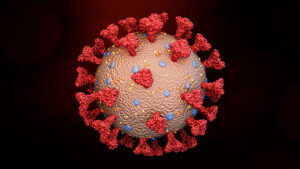
Artist’s depiction of a virus particle covered with spike proteins 

If you’ve done any reading about COVID-19 and the vaccines created to combat it, you’ve heard about “spike proteins,” which the body uses to fight the virus.

The CDC has taken the position that the spike proteins from the vaccines (which are synthetic) do not enter our DNA and are eliminated from the body soon after they produce an immune response. (This is what happens to the spike proteins that are created naturally, from the virus itself.) But new studies have found spike proteins in vaccinated individuals as long as three to even six months after vaccination.

Click here.


Bad Medicine: Prescribing Drugs That Don’t Work

GM wrote to remind me/us that approving Big Pharma drugs that don’t work is not a new phenomenon. He provides two examples. Click here and here.

Blood Pressure Drugs: Are They Any Better (or Safer) Than Statins?

For the last 10 years, PB, one of my trainers, has been taking my blood pressure at least three times every time I train. Two or three times a week. In all that time, my systolic numbers ranged from 110 to 120, while my diastolic numbers ranged from 70 to 80. That’s healthy for someone my age.

About a month ago, though, my blood pressure was 190/110. Which is considered “dangerous.” We continued with the training, but at a moderate pace, and he took several more measurements. They varied somewhat but were all too high. Over the next few days, they varied from normal to scary high.

I called my primary care physician. He told me that high blood pressure at my age is common. And he wrote me a prescription.

That sort of knee-jerk resort to prescribing a drug worried me. I did some research and discovered that blood pressure medication is effective in controlling symptoms (i.e., the numbers). But, like the statins prescribed for high cholesterol, has not been effective in extending life.

When I mentioned that fact to my doctor at my next appointment, he didn’t dispute it. “But it will reduce your chance of getting a debilitating stroke,” he said.

“Fair enough,” I thought. But in researching that claim, I couldn’t find any studies that persuaded me it was true.

I was in a dilemma. My rational brain was telling me that neither the cholesterol drug I was taking nor the blood pressure drug was going to do me any good. But it also reminded me that the research I’d done was limited, as was my experience. Which made it impossible to consult with my limbic brain to see if it could guide me in this matter.

So, I decided to take a halfway measure. Literally. Currently, I’m taking the statin and the blood pressure drug. But at half the doses recommended by my doctor. (Don’t bother writing to tell me what’s wrong with this as a “solution.” I know that. But if you have a better one, backed up with believable data, let me know.)

Meanwhile, I discovered that the dramatic and quick onset of high blood pressure, such as what I experienced, can be a side effect of taking – as I am doing – a combination of blood thinners, statins, and anti-depressants. And if that’s true… what to do?

I’m reporting on this not to subject you, dear reader, to a never-ending account of my health issues, but to throw some light on protocols and practices of modern medicine that are widely accepted but, in fact, have little if any science behind them. In all the research I’ve been doing, I haven’t found reliable solutions to any of the most common modern illnesses (cancer, heart disease, diabetes, and obesity). But I have discovered that many of the recommended, state-of-the-art treatments are defective.

Speaking of which, BM, a regular reader of this blog, has been sending me links to relevant material, the most recent of which I’m passing on to you here.

New Pfizer-funded Study: The Three-Shot COVID Vaccine Regimen Is Useless (and Dangerous?) in Children Under Five

There has been an argument for vaccinating older and “immunocompromised” people against COVID. At least there was when a handful of early studies concluded that it prevented infection and spreading. But there was never any evidence that it was helpful for children. With that age cohort, in fact, the lethality rate, as reported by the WHO and the CDC, was equal to or less than the lethality rate of the flu.

Recent studies have confirmed that the vaccines weren’t necessary for children – especially those under five. That didn’t surprise me. But what I didn’t expect when I began covering our government’s response to the COVID pandemic three years ago was the mounting evidence that the vaccines have produced negative, sometimes seriously negative, side effects in children.

And what is the CDC doing about this? It’s telling parents to bring their kids in for some extra jabs!

Click here.


In the Same Vein: Why Nobody Should Wear a Face Mask

First, we found that the vaccines don’t work. Now we are learning that they have negative, even dangerous, side effects. (See above.)

The same story is unfolding with masks. First, we were told that they are effective. Then we discovered that they are not. And now we are seeing reports that wearing them for extended periods of time is harmful to our health.

Click here.